African Swine Fever (ASF) is a highly contagious viral disease of pigs. It does not infect humans, but it can wipe out a whole farm — and there is no approved vaccine or cure widely available to backyard raisers. The best protection is good biosecurity: keeping the virus away from your animals in the first place.
Here are practical steps every GLOLIVCO member and hog raiser in Gloria can take.
1. Control who and what enters your pig pen
- Limit visitors. Only people who care for the pigs should enter the pen.
- Use a footbath with disinfectant at the entrance, and change it regularly.
- Wear dedicated boots and clothes for the pig pen, and wash your hands before and after.
- Keep vehicles, traders and their equipment away from the pens.
2. Be careful with feed and food waste
- Do not feed kitchen leftovers or swill, especially those containing pork products. If you must use food waste, cook it thoroughly first.
- Buy feed from trusted suppliers and store it in closed containers away from rodents and other animals.
- Provide clean, safe drinking water.
3. Source and quarantine new animals
- Only buy pigs from trusted, healthy sources and ask for the proper shipping permits.
- Keep newly arrived pigs separate from your herd for a quarantine period and watch them closely for signs of illness.
- Do not let your pigs roam freely or mix with other herds.
4. Know the warning signs
Watch for high fever, loss of appetite, weakness, reddish or purplish skin (especially on the ears, belly and legs), vomiting, diarrhea, and sudden deaths.
5. Report immediately
If you suspect ASF, do not sell, slaughter or move the pigs. Report right away to the Municipal Agriculture Office of Gloria or the Provincial Veterinary Office so experts can respond quickly and stop the spread to neighboring farms.
Learn more with the cooperative
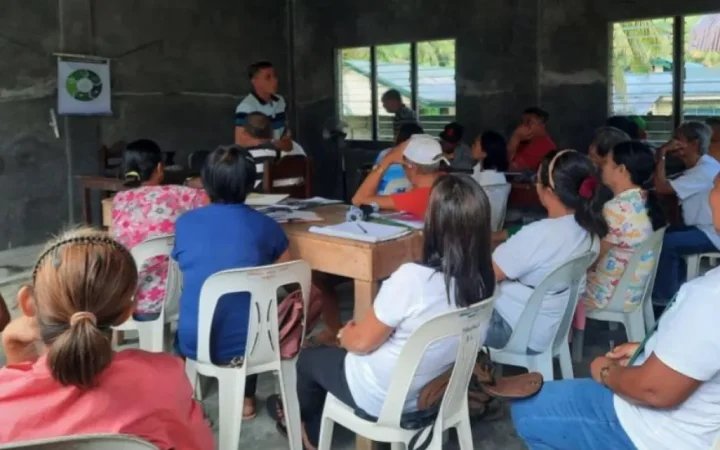
GLOLIVCO regularly holds trainings on animal health and biosecurity with our partners. Become a member or contact us to know the schedule of our next seminar.
This article is general information and not a substitute for advice from a licensed veterinarian.